


Sicilian cooking is built around fresh ingredients, careful preparation, and techniques that bring out natural flavors without making dishes unnecessarily complicated. From preparing fresh pasta to balancing tomatoes, herbs, seafood, and olive oil, these skills can help home cooks create satisfying meals inspired by southern Italy. In New Orleans, you can explore these traditions through hands-on cooking lessons that connect Sicilian recipes with the city’s own Italian-American food heritage.
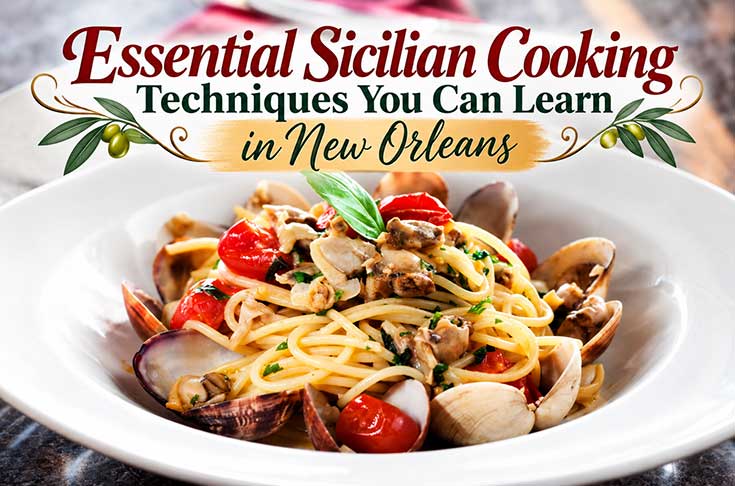
New Orleans is famous for its vibrant food culture, shaped by French, Spanish, African, Caribbean, and Italian influences. Sicilian immigrants helped shape the local food scene, contributing traditions and ingredients that remain part of the city’s culinary identity. Taking a Sicilian cooking class in New Orleans offers an opportunity to learn practical techniques while discovering how Sicilian flavors have found a home in Louisiana kitchens.
1. Making Fresh Pasta from Scratch
Fresh pasta is one of the most rewarding skills to learn in Sicilian cooking. Although dried pasta is common in many Italian kitchens, handmade varieties bring a different texture and allow cooks to experiment with shapes and fillings.
The process begins with measuring ingredients carefully and bringing the dough together until it becomes smooth and elastic. Kneading develops the dough’s structure, while resting allows it to relax, making it easier to roll and shape. Learning to recognize the right consistency is just as important as following a recipe.
You can also practice filling and sealing ravioli, paying attention to portion sizes and ensuring the edges stay closed during cooking. These details help prevent the filling from escaping into the boiling water.
2. Building Flavor with Fresh Ingredients
Sicilian cuisine often relies on a few well-chosen ingredients rather than complicated preparations. Tomatoes, garlic, olive oil, citrus, herbs, seafood, and seasonal vegetables each contribute their own character to a dish.
A useful technique is learning when to add each ingredient. Garlic can become bitter if it browns too much, while fresh herbs may lose their brightness when cooked for too long. Adding lemon juice near the end of cooking can provide freshness without overpowering other flavors.
Cooks also learn to taste as they go. Adjusting salt, acidity, and seasoning gradually produces a more balanced dish than adding everything at once. These habits are useful for everyday cooking, from simple pasta sauces to seafood dinners.
3. Preparing Traditional Sicilian Sauces
A good sauce should complement the main ingredient instead of covering it up. Sicilian cooking offers plenty of examples, including tomato-based sauces, herb-rich pestos, and preparations featuring olives, capers, and anchovies.
One technique worth practicing is controlling heat while building a sauce. Slowly cooking aromatics helps release their flavor, while allowing tomatoes to simmer gives excess moisture time to evaporate. The result should have a concentrated taste without becoming overly thick or heavy.
Pesto Trapanese, a Sicilian preparation associated with Trapani, combines ingredients such as tomatoes, almonds, garlic, basil, and olive oil. Learning to combine these ingredients into a cohesive sauce shows how texture and freshness can be just as important as seasoning.
4. Cooking Seafood Without Drying It Out
With Sicily surrounded by the Mediterranean Sea, seafood plays an important role in many regional dishes. Techniques for preparing fish are particularly useful for home cooks who want tender, flavorful results.
Start by choosing fresh fish and drying the surface before cooking. This helps promote better browning when pan-searing. Use moderate heat, avoid moving the fish too early, and check doneness carefully because lean fillets can become dry when overcooked.
Sicilian-style seafood dishes may also combine fish with tomatoes, olives, capers, and herbs. A preparation such as pesce alla ghiotta demonstrates how a flavorful sauce can support the fish while keeping the meal connected to traditional Mediterranean ingredients.
5. Mastering Pastry and Dessert Techniques
Sicilian desserts are known for their distinctive textures and rich culinary history. Cannoli are a classic example, combining crisp pastry shells with a creamy filling.
The key is understanding how to keep the shells crisp. The pastry must be prepared and shaped properly before frying, and the filling should generally be added close to serving time to prevent moisture from softening the shell. A smooth filling also depends on managing its consistency rather than making it too loose.
Practicing these steps helps cooks understand how temperature, texture, and timing affect the final result.
Takeaways
- Fresh pasta-making teaches dough preparation, kneading, shaping, and filling.
- Fresh herbs, olive oil, citrus, and seasonal produce are central to building balanced flavors.
- Sauce-making depends on heat control, timing, and careful seasoning.
- Proper seafood preparation helps preserve moisture and texture.
- Cannoli-making highlights the importance of crisp pastry and well-balanced filling.
- Hands-on Sicilian cooking lessons in New Orleans offer a practical way to explore Sicilian techniques and their connection to local food traditions.

Speak Your Mind