


Moving rarely happens on a perfectly aligned timeline. Property settlements, lease agreements, construction delays, and job relocations often operate on separate schedules, creating gaps between when a household must leave one property and when the next home becomes available. When these timelines fail to align, the transition between homes can quickly become stressful and logistically complicated.
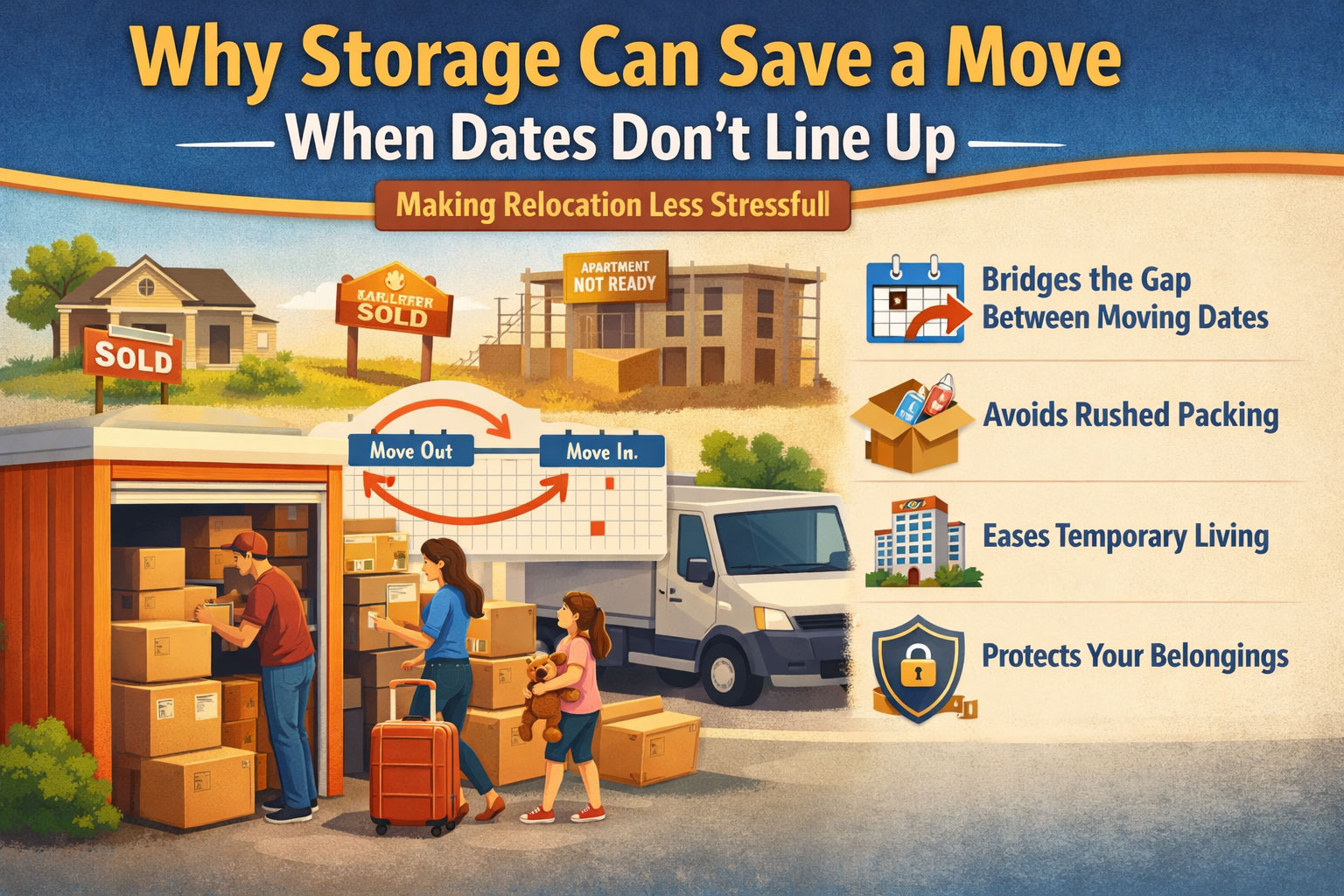
A temporary place to hold household belongings can solve this problem by allowing the move to proceed even when housing dates do not match. Instead of rushing the entire process or making inconvenient short-term arrangements, this approach introduces flexibility and keeps the relocation organized.
Bridges The Gap Between Moving Dates
One of the most common relocation challenges occurs when move-out and move-in dates fall days or weeks apart. Property settlements, rental agreements, and renovation timelines often create situations where a household must leave one home before the next one is ready.
In these situations, many households rely on relocation providers to manage both transport and temporary holding arrangements so the move can proceed even when property timelines do not align. Services such as Crown Relocations NZ for domestic and international moving coordinate the packing, transport, and secure handling of belongings until the new residence becomes available. This ensures the relocation can move forward as planned while household items remain protected during the transition period.
Avoids Rushed Packing And Poor Decisions
Unexpected timeline changes often push people to pack quickly or make last-minute decisions about how to handle their belongings. Rushed packing increases the likelihood of damaged items, misplaced boxes, and disorganized loads that make unpacking far more difficult later.
Allowing belongings to be temporarily held elsewhere removes that pressure and gives households the time to pack methodically. Movers can properly protect fragile items, label boxes clearly, and organize furniture for safe transport. A well-structured packing process reduces the risk of damage and ensures that items arrive in the new home ready to be unpacked efficiently.
Makes Temporary Living Arrangements Easier
Relocations sometimes involve a short period in temporary accommodation. Job transfers, international assignments, and delayed property purchases may require individuals or families to stay in hotels, serviced apartments, or with relatives while waiting for their permanent home.
These environments rarely have enough space to accommodate the contents of an entire household. Keeping the majority of belongings off-site allows people to travel with only essential items such as clothing, documents, and everyday necessities. This arrangement makes temporary living spaces far more manageable and prevents overcrowding during the transition period.
Protects Belongings During Long Transitions
Some relocations involve extended timelines, particularly when construction projects, international shipping schedules, or complex property chains delay the final move-in date. During these longer transitions, household goods may need to remain off-site for several weeks or even months.
Professional facilities are designed to protect belongings during these periods through systems such as climate control and in-transit storage. Inventory management systems also help track items throughout the holding period. These safeguards help ensure furniture, electronics, and personal possessions remain in good condition until delivery is scheduled.
Simplifies The Overall Moving Process
When temporary holding arrangements are coordinated directly with a relocation provider, the entire move becomes easier to manage. Packing, transport, and off-site holding can be organised within a single logistical plan rather than through multiple separate services.
This integrated approach reduces unnecessary handling of belongings and ensures items remain accounted for throughout the relocation journey. For long-distance or international moves, maintaining a clear chain of responsibility helps keep the process organised while households focus on settling into their new environment.
Turning A Timing Problem Into A Manageable Move
Moving dates rarely align perfectly, but that does not mean the relocation process has to become chaotic. Having a temporary place for belongings allows households to move out on schedule while waiting for the next property to become available.
By introducing flexibility into the process, this solution prevents rushed decisions, protects household goods, and makes temporary living arrangements easier to manage. In many relocations, it becomes the key factor that turns a difficult scheduling problem into a controlled and manageable move.

Speak Your Mind